RCM Theory Lessons in Vancouver
Clear, structured theory instruction that makes even difficult concepts easier to understand.
Music theory can feel overwhelming when it is presented as a long list of rules to memorize.
At SW Music, the goal is to break those rules down, explain why they work, recognize the patterns behind them, and give students practical strategies they can use when working independently.
From RCM Level 5 Theory through Level 10 Harmony & Counterpoint, students develop the knowledge and problem-solving skills they need to approach theory with confidence.
Choose Your RCM Theory Level
-
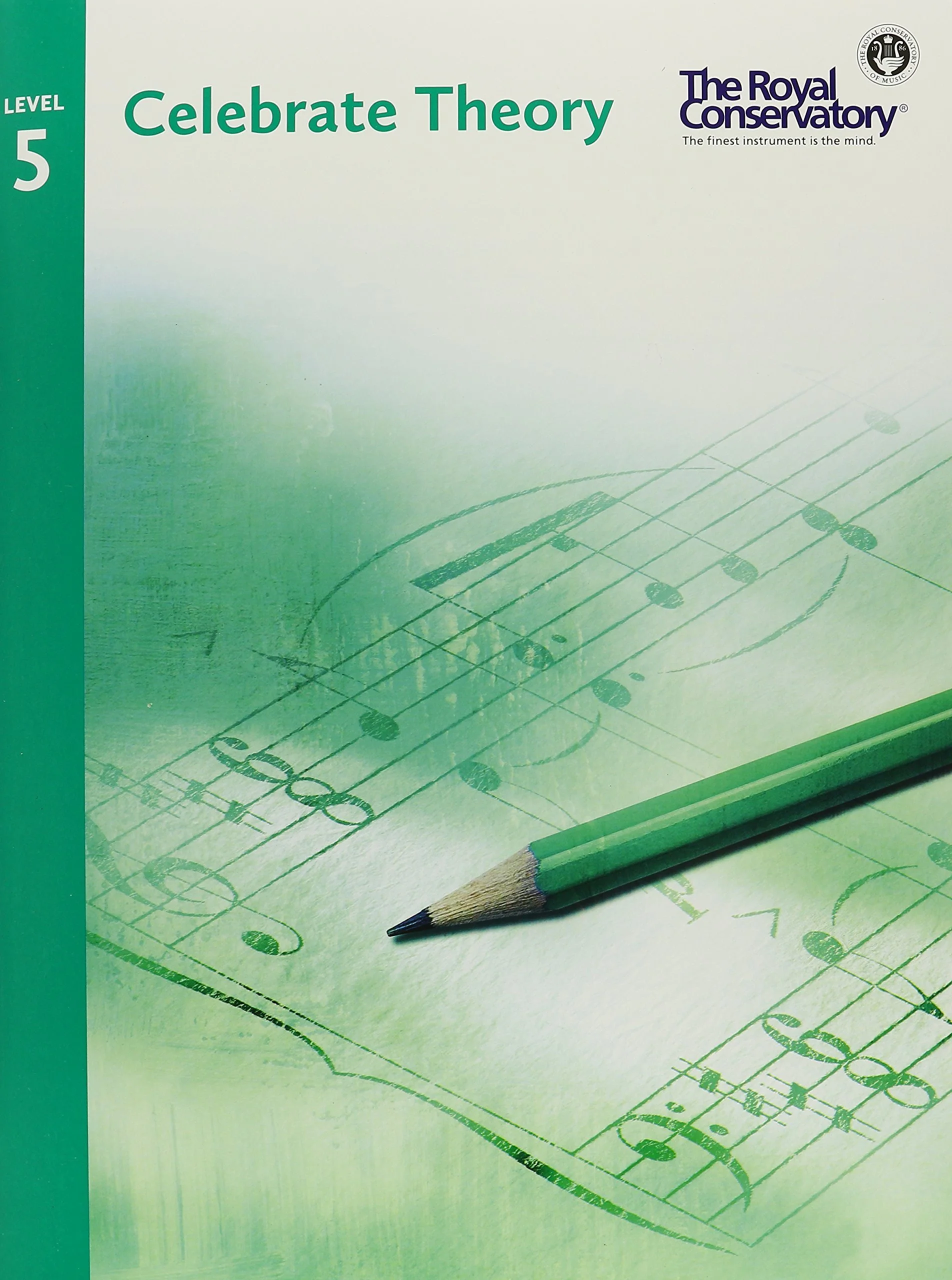
Grade 5 RCM Theory
-
Grade 6 RCM Theory
-
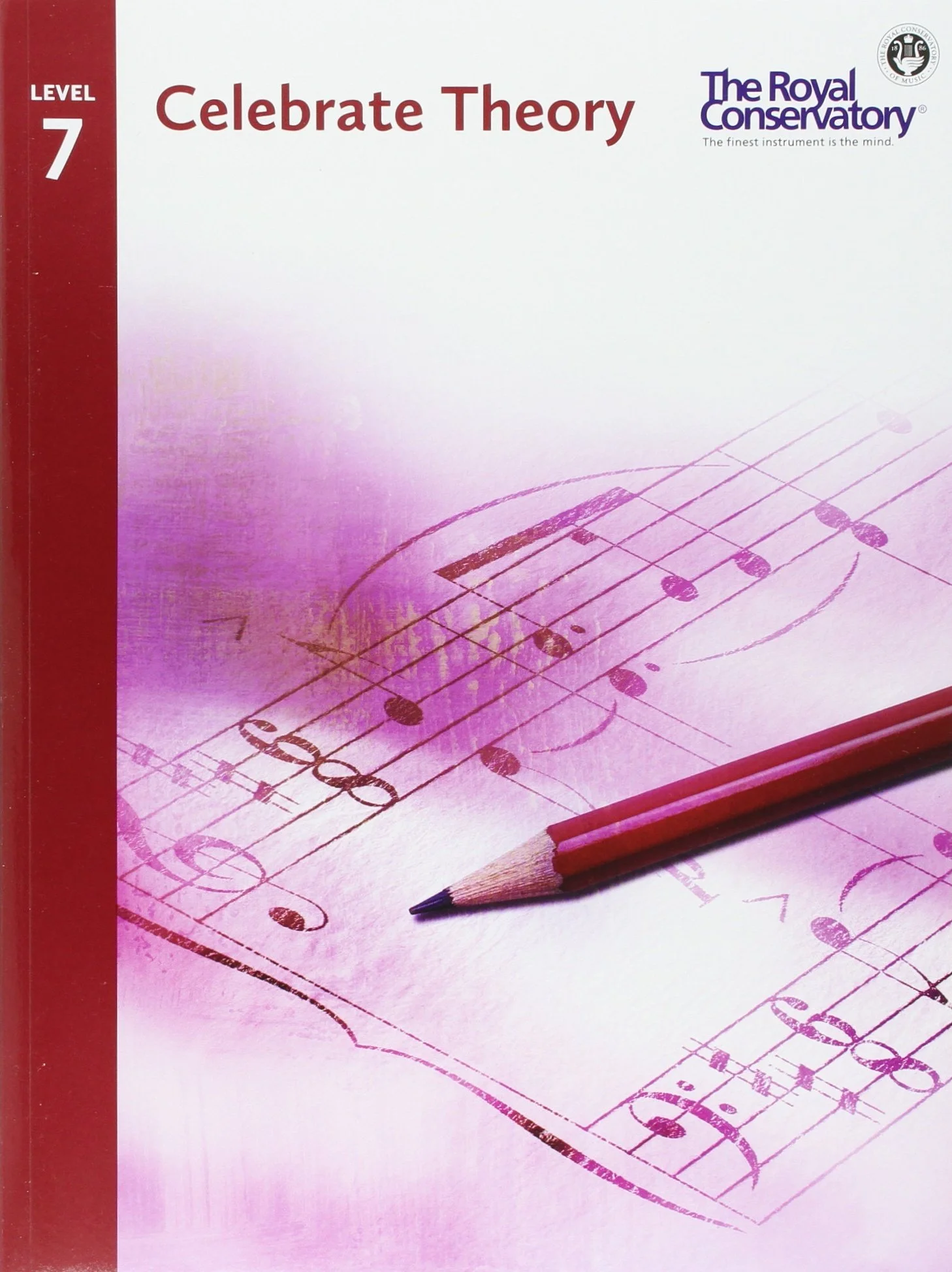
Grade 7 RCM Theory
-
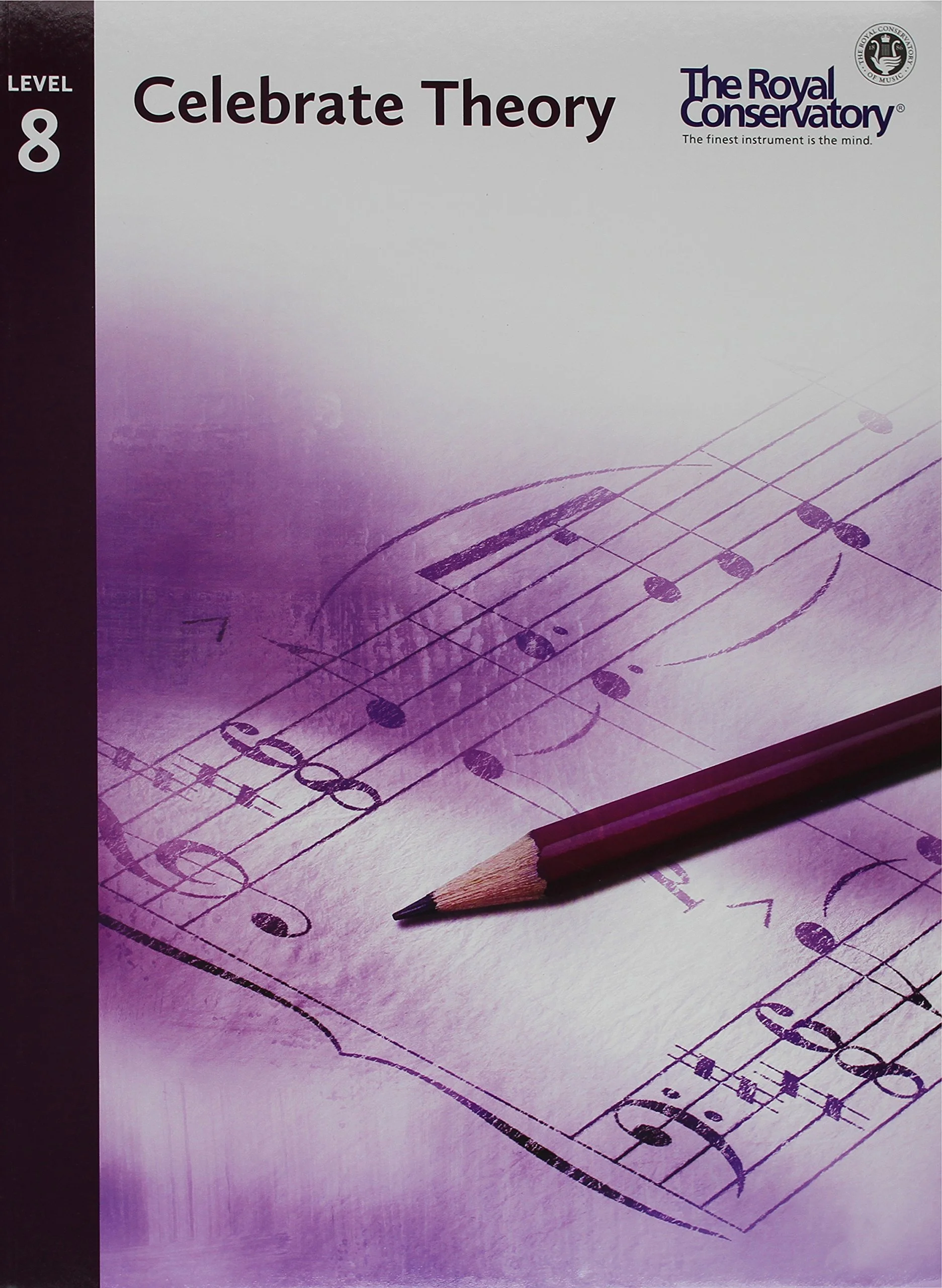
Grade 8 RCM Theory
-
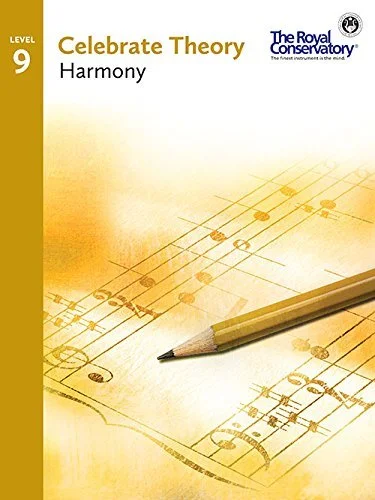
Grade 9 RCM Harmony
-
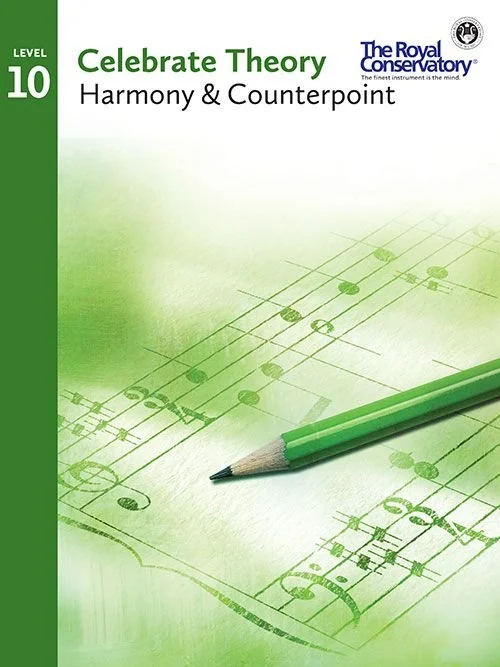
Grade 10 Harmony and Counterpoint
Current 2026 Class Times
Sunday
1:45pm - 2:45pm
2:45pm - 3:45pm
3:45pm - 4:45pm
Wednesday
Full
Thursday
5:30pm - 6:30pm
7:00pm - 8:00pm
Friday
6:30pm - 7:30pm
Saturday
12pm - 1pm
1pm - 2pm
Making Music Theory Easier to Understand
Theory is much easier to understand when students find and understand the patterns.
Instead of approaching every new concept as another rule to memorize, we break complicated material into smaller and more manageable steps.
Students learn how to recognize patterns, organize information, use shortcuts where appropriate, and approach questions systematically.
As the curriculum becomes more advanced, these strategies become increasingly important.
The main objective isn’t to ask for answers, but to understand how to find it.
Memorization
Memorization has its place in theory.
Students need to know key signatures, intervals, terminology, chord structures, cadences, and many other fundamentals. But memorizing information without understanding how the concepts connect can make advanced theory unnecessarily difficult.
Theory lessons focus on both knowledge and application.
Students learn not only what something is, but:
Why it works
How to recognize it
How it relates to concepts they already know
How to solve similar questions efficiently
How to check their own work
How the concept appears in actual music
This creates a foundation students can continue building on as they progress through the curriculum.
From Level 5 Theory to Advanced Harmony & Counterpoint
RCM theory changes considerably as students progress through the levels.
Earlier levels establish the fundamentals of written theory and musical analysis. Later levels require students to apply those fundamentals to increasingly complex harmony, form, analysis, composition, and counterpoint.
Students may work through:
Levels 5–8 Theory
Building and strengthening foundational concepts including notation, scales, intervals, chords, rhythm, musical terms, melody writing, analysis, and musical form.
Level 9 Harmony
Moving beyond identification and into the application of harmony, voice leading, chord progressions, cadences, analysis, and written musical problem-solving.
Level 10 Harmony & Counterpoint
Working with increasingly advanced harmonic concepts while introducing the principles and techniques of counterpoint.
At every level, difficult concepts are broken into smaller steps so students can understand how the material works rather than simply trying to memorize an entire textbook.
Tips, Tricks & Strategies
Sometimes a different explanation is all that it takes.
Students often arrive convinced that a concept is difficult when what they actually need is another way of looking at it.
Throughout lessons, I use patterns, shortcuts, visual explanations, memory aids, step-by-step processes, and practical examples to make dense material easier to understand.
A complicated harmony question becomes simpler when we break it down into smaller steps.
An intimidating analysis question becomes a step by step process of searching for patterns we already know.
A long list of rules becomes the “cheat sheet” we refer to for every question.
As students progress, they also develop their own strategies and learn which approaches work best for them.
Understanding the Music Behind the Notes
Theory isn't separate from learning an instrument, whether it’s piano, violin, cello, woodwinds, brass, etc.
It gives students a vocabulary for understanding what they already hear and play.
Why does this chord create tension?
Why does this phrase sound finished?
Why does a composer use a particular progression?
Why does one note sound wrong even before you know what rule it breaks?
Theory helps answer those questions.
As students develop stronger theoretical knowledge, they can begin recognizing patterns in their repertoire, understanding musical structure, reading more efficiently, and making more informed musical decisions at the piano.
This means learning new music now takes half the amount of time.
What Happens in a Theory Lesson?
Theory lessons are structured around the student's current level, strengths, and areas that need more attention.
A lesson might include:
Introducing a new concept
Breaking down difficult curriculum material
Working through examples together
Developing strategies for specific question types
Reviewing previous concepts
Identifying and correcting recurring mistakes
Connecting theory concepts to real repertoire
Working through practice or examination-style questions
Preparing for an upcoming RCM examination
Students are encouraged to ask questions and understand why an answer works rather than simply copying the answer.
As they progress, the goal is for them to become increasingly capable of working through unfamiliar questions independently.
RCM Theory Exam Preparation
For students working toward an RCM examination, lessons provide structured preparation based on the requirements of their level.
We work through the curriculum chapter by chapter while identifying areas that require more practice.
Closer to an examination, preparation will shift toward review, practice questions, time management, common mistakes, and examination strategies.
The goal is for students to walk into their exam knowing the material, and how to approach the questions they are likely to encounter.
Private & Group Theory Lessons
Different students learn theory differently.
Private Theory Lessons $70/hr
One-on-one instruction allows lessons to move entirely at the student's pace.
This can work particularly well for students who need help with a specific concept, are preparing for an upcoming examination, want to move quickly through the curriculum, or benefit from individualized explanations.
Group Theory Lessons $40/hr
Group lessons offer a more collaborative way to work through the curriculum while allowing students at similar levels to learn together.
Students can discuss questions, compare approaches, work through examples, and learn from mistakes together.
Theory Support Resources
Theory doesn't need to end when the lesson does.
As SW Music's theory program grows, this area will continue developing into a broader collection of learning resources designed to help students understand difficult concepts independently.
For now, theory instruction takes place directly through lessons, with resources and explanations provided according to each student's level and needs.
Coming Soon
About Your Teacher
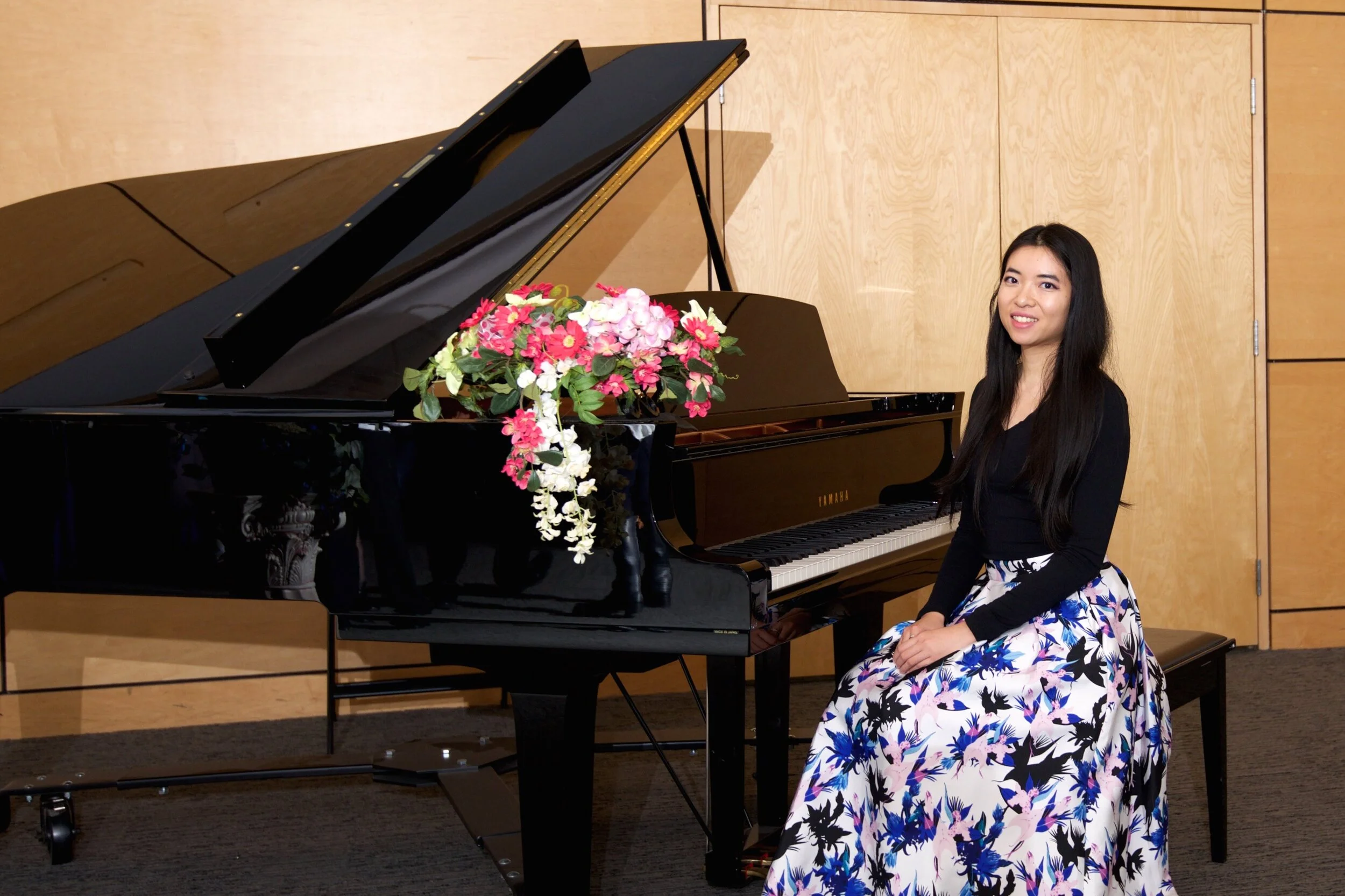
Hi, I'm Season.
I've spent more than 16 years teaching music and have extensive experience with RCM theory, harmony, analysis, and advanced theoretical concepts.
One of my favourite parts of teaching theory is finding a different way to explain something when the textbook explanation isn’t making sense.
Dense material doesn't need to stay dense.
By breaking concepts into smaller steps and helping students recognize the underlying patterns, even advanced material can become much more manageable.
Theory Lessons at SW Music
Location: Vancouver, BC
Students: Children and teens
Levels: RCM Levels 5–10, ARCT by request
Format: Private and group instruction
Focus: RCM theory, harmony, counterpoint, analysis and exam preparation
Students do not need to take piano lessons at SW Music to enrol in theory lessons.
Whether your child is approaching their first RCM theory level or working through advanced harmony and counterpoint, theory doesn't have to feel like an endless collection of rules.
With the right explanation, difficult material can become much easier to understand.
Tell me your child's current RCM level, what they're working toward, and where they're having difficulty. From there, we can determine the best place to begin.